Food Classification and Nutrition

Understanding different approaches to categorizing foods and their nutritional profiles

Food Groups and Classification

Foods can be classified in various ways to better understand their nutritional content and role in supporting health. Different classification systems emphasize different nutritional or practical aspects of foods.

Understanding food classification helps individuals recognize nutritional diversity and the variety of nutrients available from different food sources. No single food contains all nutrients in optimal amounts, which is why dietary diversity supports comprehensive micronutrient intake.

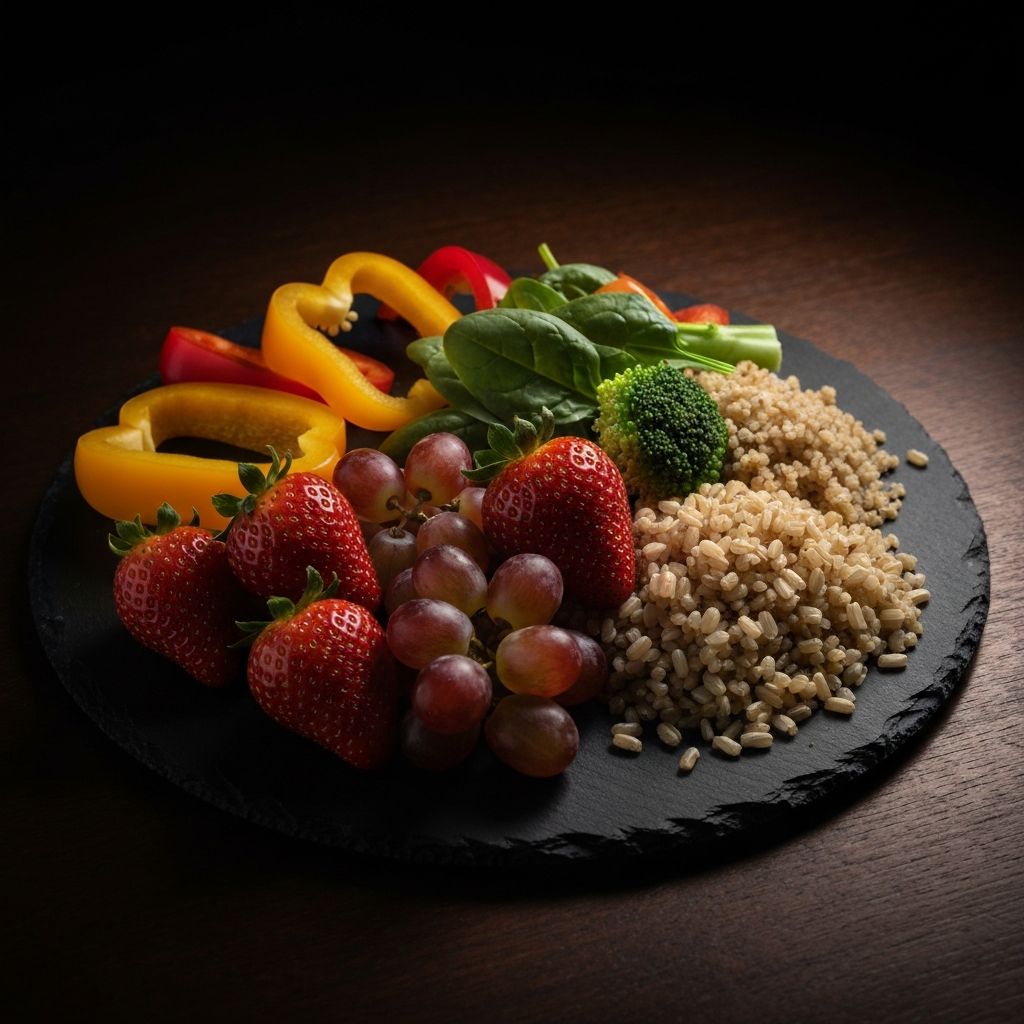
Diverse food groups

Traditional Food Groups

Vegetables

Vegetables are plant foods that typically contain low caloric density relative to their micronutrient content. Different vegetables provide varying nutritional profiles—leafy greens provide specific minerals, cruciferous vegetables contain compounds with potential health benefits, and starchy vegetables contribute carbohydrates and fiber.

Fruits

Fruits provide carbohydrates, fiber, vitamins, minerals, and various phytonutrients. The nutritional composition varies significantly among different fruits. Fresh, frozen, and dried fruits each offer different nutrient densities and practical advantages.

Grains

Grains provide carbohydrates, fiber, B vitamins, minerals, and plant-based proteins. Whole grains retain more nutritional components compared to refined grains. Different grain varieties offer distinct nutritional profiles.

Proteins

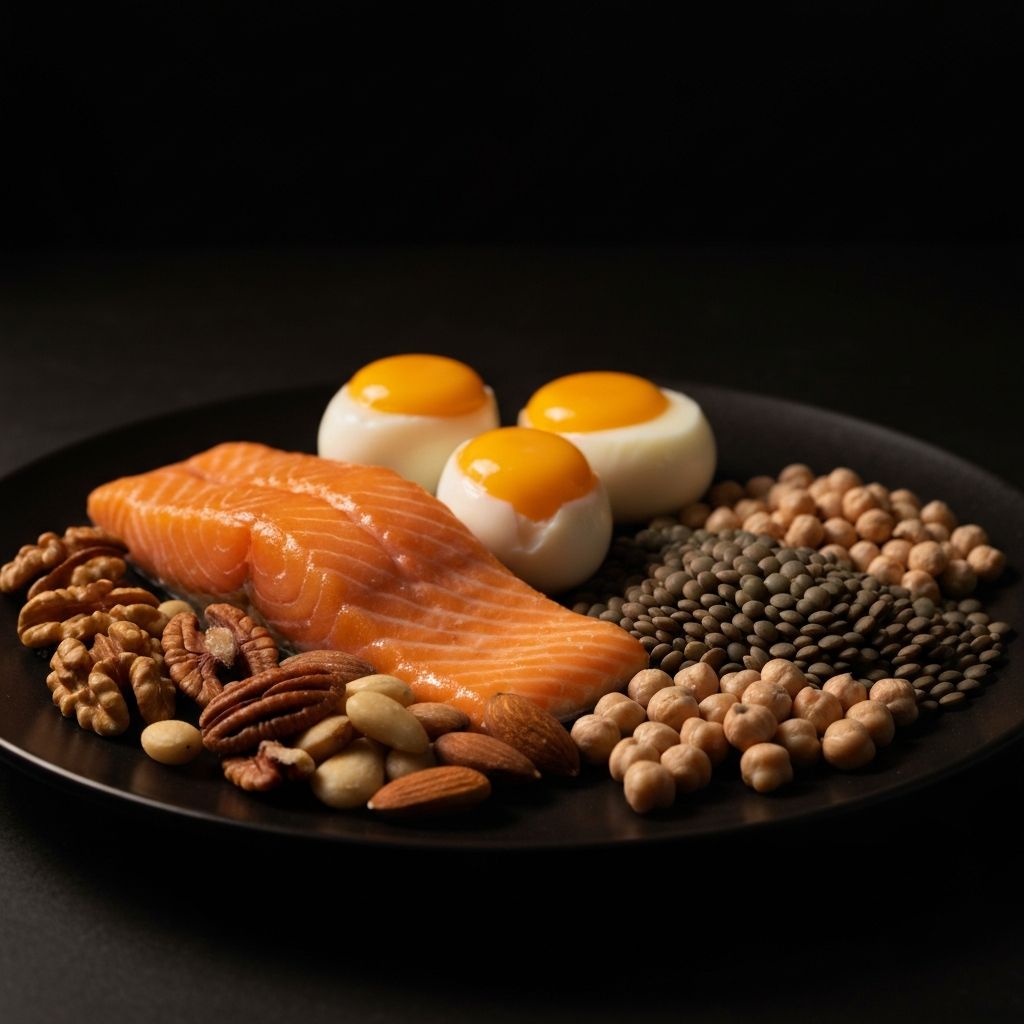
Protein-containing foods include animal-based sources such as meat, poultry, fish, eggs, and dairy products, as well as plant-based sources including legumes, nuts, and seeds. Different protein sources vary in amino acid composition and additional nutritional content.

Dairy and Alternatives

Dairy products provide proteins, fats, calcium, and other nutrients. Plant-based alternatives offer different nutritional profiles and may be chosen for various reasons including allergies, intolerances, or dietary preferences.

Fats and Oils

Different fats and oils provide different types of fatty acids and varying micronutrient content. The ratio of saturated to unsaturated fats varies among different fat sources.

Food Processing and Nutritional Content

Foods exist on a spectrum from minimally processed whole foods to highly processed products containing numerous additives and ingredients. Processing level influences nutritional content, shelf stability, palatability, and convenience.

Minimal processing typically preserves more nutrients, particularly heat-sensitive vitamins. However, some processing methods—such as fermentation or cooking—may enhance the bioavailability of certain nutrients or create beneficial compounds.

Functional Foods and Phytonutrients

Functional foods are foods that provide health benefits beyond basic nutrition. Many plant foods contain phytonutrients—compounds that plants produce for their own protection but which may provide health benefits when consumed by humans.

Examples include polyphenols in berries and tea, carotenoids in orange and red vegetables, and glucosinolates in cruciferous vegetables. The diversity of compounds across different foods provides another reason supporting dietary variety.

Diverse protein sources

Educational Information

This article provides educational information about food classification and nutrition. Food recommendations should be personalized based on individual preferences, health status, and circumstances. Consult healthcare professionals for personalized dietary guidance.