
The Role of Micronutrients

Understanding vitamins and minerals essential for biological health

What Are Micronutrients?

Micronutrients are substances required in smaller quantities compared to macronutrients, but they are equally essential for proper biological function. Micronutrients include vitamins and minerals that support countless enzymatic reactions, immune function, bone health, energy production, and other critical processes.

While the body requires only small amounts of micronutrients, their absence or deficiency can result in significant health consequences. Micronutrient deficiencies can develop gradually and may manifest in various health symptoms.

Nutrient-dense foods

Vitamins

Vitamins are organic compounds that the body cannot synthesize in sufficient quantities and therefore must obtain from food sources. Different vitamins serve distinct functions in supporting metabolic processes, immune function, tissue repair, and numerous other biological systems.

Vitamins are classified into two categories: fat-soluble vitamins that are absorbed and stored in body fat, and water-soluble vitamins that are not stored and must be obtained regularly from food.

Fat-Soluble Vitamins

  • Vitamin A: Supports vision, immune function, and skin health
  • Vitamin D: Supports calcium absorption, bone health, and immune function
  • Vitamin E: Acts as an antioxidant, protecting cells from damage
  • Vitamin K: Essential for blood clotting and bone metabolism

Water-Soluble Vitamins

  • B Vitamins: Support energy production, nervous system function, and cell division
  • Vitamin C: Supports immune function, collagen synthesis, and antioxidant protection

Minerals

Minerals are inorganic substances that support bone structure, nerve transmission, muscle contraction, fluid balance, and numerous enzymatic reactions. Essential minerals include calcium, phosphorus, potassium, magnesium, iron, zinc, copper, iodine, and selenium, among others.

Different minerals are concentrated in different food sources. For example, calcium is abundant in dairy products and certain leafy vegetables, while iron is found in both animal and plant sources, though animal-based iron is absorbed more efficiently.

Mineral absorption is influenced by various factors including the presence of other nutrients, digestive health, and certain compounds in foods that may inhibit or enhance absorption.

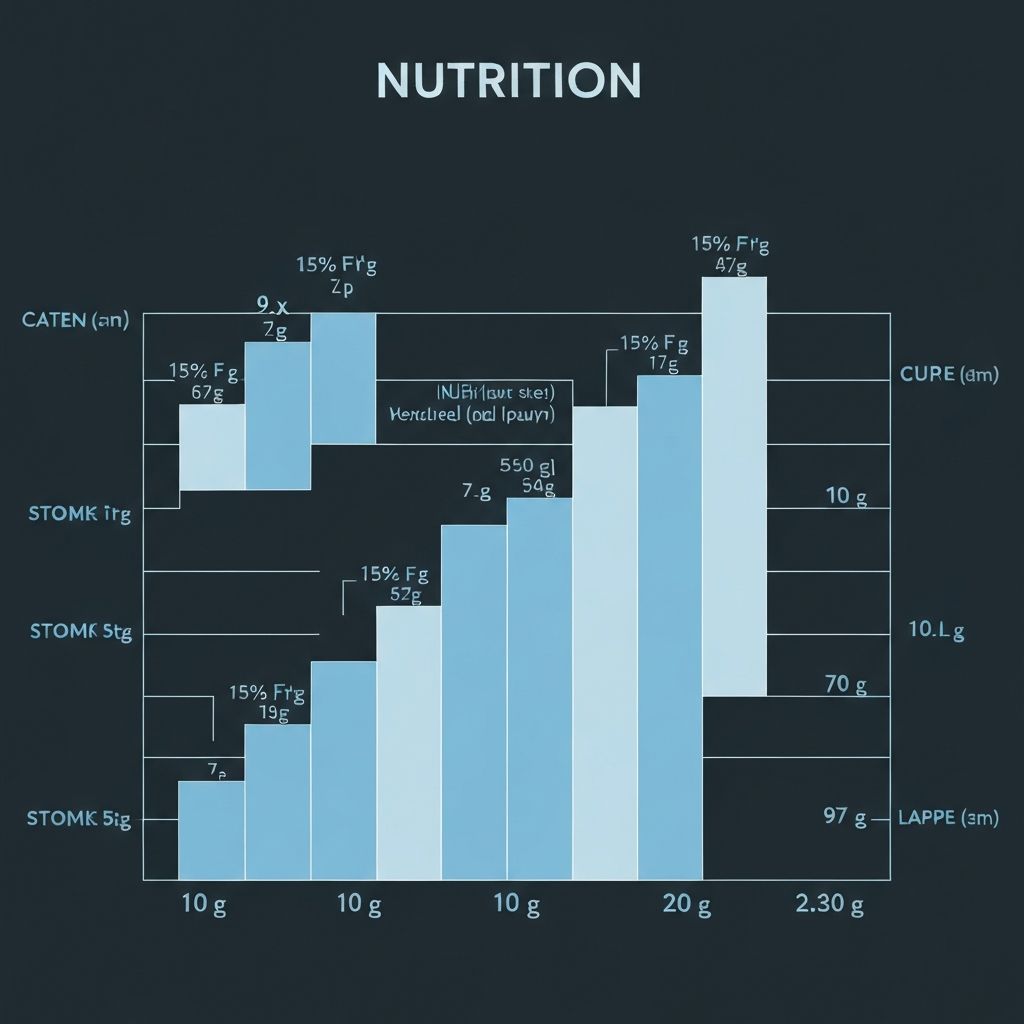
Nutrient distribution chart

Essential Micronutrients

The body requires more than 30 essential minerals and vitamins for optimal function. While food variety typically provides adequate micronutrients for most individuals, certain populations or dietary patterns may result in inadequate intake of specific micronutrients.

Micronutrient density—the amount of micronutrients relative to calories—varies significantly among foods. Some foods provide substantial micronutrient content in relatively small portions, while others are more energy-dense relative to their micronutrient content.

Educational Information

This article provides educational information about micronutrients. It does not provide medical advice or recommendations regarding supplementation. Individual micronutrient needs vary based on age, sex, health status, and other factors.